Newcastle is the largest city in regional New South Wales and the commercial heart of the Hunter, and its economy has long been shaped by what moves through its harbour. The city grew up around coal, steel and heavy industry, and while the steelworks closed in 1999, the port and the broader Hunter supply chain remain central to how the region earns its living. What has changed is the mix: health, education, defence, professional services and renewable energy now sit alongside the traditional resource base. This is a general explainer and not financial or business advice, and the detailed figures shift from year to year.
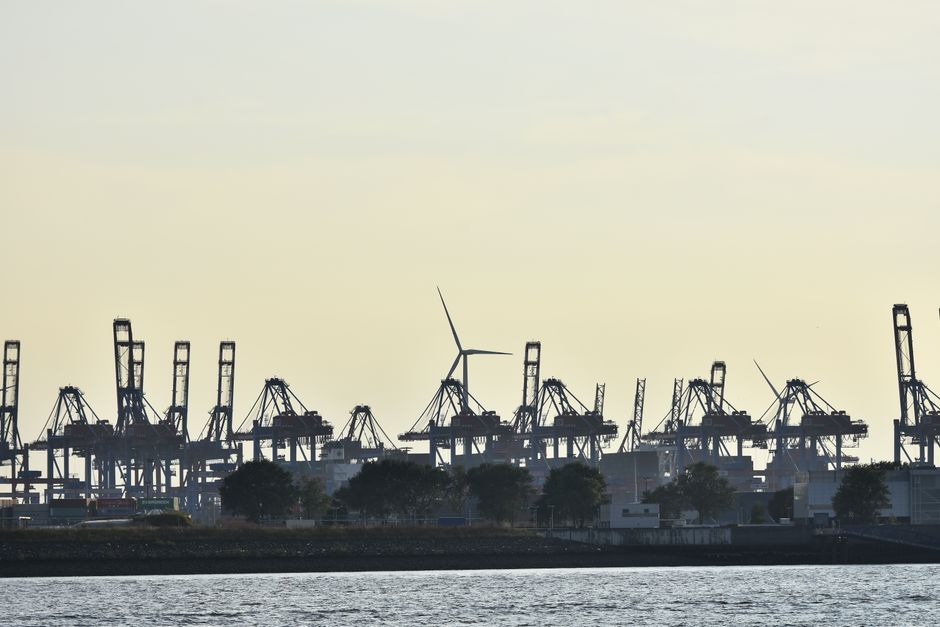
The Port of Newcastle is the anchor of the local economy and one of the largest coal export ports in the world. According to the Port of Newcastle, the harbour handles an enormous annual trade task, and the jobs, contracts and services that surround it ripple through the whole region. The port operator has also set out a diversification strategy that includes a proposed container terminal and a clean energy precinct, a recognition that a port built on coal needs new cargoes for the decades ahead.
That need is sharpened by the energy transition, which is reshaping the Hunter more than almost any other part of the country. The Liddell power station closed in 2023 and the remaining coal-fired generators in the valley are scheduled to wind down over the years that follow. In their place, governments and private investors are backing renewables, transmission, hydrogen and storage, and the Commonwealth has declared an offshore wind zone off the Hunter coast. For Newcastle this is both a risk to manage and an opportunity, because the region has the grid connections, the skilled workforce and the port infrastructure that new energy industries need.
Health and education are now among the largest and most stable employers. The University of Newcastle is a major institution in its own right and a significant driver of research, construction and student spending, with a growing presence in the city centre as well as its Callaghan campus. Alongside it, the hospital and aged care sector, anchored by the John Hunter Hospital, employs thousands and tends to keep growing regardless of the commodity cycle. These service industries are a big part of why the Newcastle economy is more resilient than its industrial history might suggest.
Defence and aviation add another layer. The Williamtown base north of the city is a major Royal Australian Air Force site and the centre of a growing defence and aerospace cluster, and the adjacent Newcastle Airport has been expanding its terminal and its route network. Together they support engineering, logistics and advanced manufacturing firms across the northern suburbs.
Rounding out the picture are the everyday engines of a mid-sized city: construction and property, retail and hospitality, the public service, and a professional services sector clustered in the revived city centre and along the waterfront. The Australian Bureau of Statistics publishes the regional data that tracks how these sectors are travelling, and broader conditions such as interest rates, which are set by the Reserve Bank of Australia, feed directly into local construction and household spending.
The short version is that Newcastle is a working port city that has spent more than two decades broadening its base. Coal and the harbour still matter enormously, but the jobs of the next generation are just as likely to be in a hospital, a lecture theatre, a wind or hydrogen project, or a defence workshop. For anyone weighing up the city for work, study or investment, that diversity is the single most important thing to understand.
Sources: Port of Newcastle, University of Newcastle, NSW Government, Australian Bureau of Statistics, Reserve Bank of Australia.
This article was compiled by AI and screened before publishing. See our editorial standards.
This article is general information only and is not personal financial or investment advice. Consider your own circumstances and seek licensed professional advice before making financial decisions.
Sources Include (But not Limited to)
Source material used in preparing this article is listed below so readers can check the original record.